
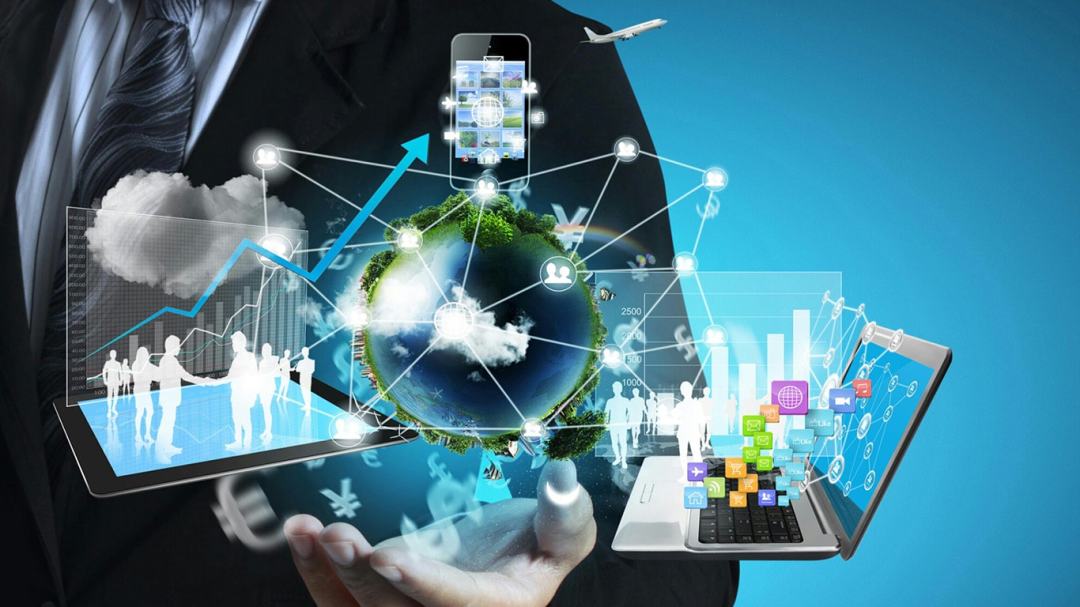
Technology has woven itself into the very fabric of our lives, influencing everything from how we work and communicate to how we address global challenges. This article explores various dimensions of contemporary technology and its significant impact on our daily existence.
1. The Digital Landscape and Communication
Modern communication is vastly different from the days of handwritten letters and landline phones. The digital age has ushered in a plethora of tools that facilitate instant interaction across the globe. Smartphones and social media platforms have redefined how we connect with one another. Messaging apps, video conferencing, and social networks not only enable real-time communication but also foster global communities. While these advancements enhance connectivity, they also present challenges such as managing digital distractions and navigating online etiquette.
2. Artificial Intelligence and Machine Learning
Artificial Intelligence (AI) and Machine Learning (ML) stand as monumental pillars in the landscape of modern technology. AI refers to the creation of systems capable of performing tasks that typically require human intelligence, such as problem-solving and understanding natural language. Machine Learning, a subset of AI, involves algorithms that learn from data and improve their performance over time. These technologies are making significant strides in various sectors. In healthcare, for example, AI assists in diagnosing diseases with remarkable accuracy, while in finance, it aids in detecting fraudulent transactions and optimizing investment strategies.
3. The Internet of Things (IoT) and Smart Environments
The Internet of Things (IoT) describes a network of interconnected devices that communicate with each other through the internet. This technology is pivotal in creating smart environments, particularly in the home. Devices such as smart thermostats, lights, and security systems can be controlled remotely, offering both convenience and efficiency. For instance, smart thermostats learn user preferences and adjust settings automatically, leading to energy savings and a reduced carbon footprint. The seamless integration of IoT into everyday life enhances comfort and security while driving sustainability.
4. Blockchain and Data Integrity
Blockchain technology, initially associated with cryptocurrencies like Bitcoin, has broader applications in ensuring data integrity and transparency. A blockchain is essentially a decentralized ledger that records transactions across a network of computers, making it nearly impossible to alter past records. This technology is proving valuable beyond digital currencies, with applications in supply chain management, where it enhances traceability and reduces fraud. In sectors like healthcare and finance, blockchain is used to securely manage sensitive data and verify transactions.
5. Virtual and Augmented Reality
Virtual Reality (VR) and Augmented Reality (AR) offer immersive experiences that merge digital content with the physical world. VR creates a fully simulated environment, allowing users to engage in a variety of experiences from gaming to virtual travel. Conversely, AR overlays digital information onto the real world, enhancing interactions with our surroundings. Applications of AR include navigation aids and interactive educational tools. Both VR and AR are transforming industries such as entertainment, education, and retail, offering innovative ways to experience and interact with content.
6. Biotechnology and Health Innovations
Biotechnology merges biological systems with technological advancements to address medical challenges. One of the most promising developments is CRISPR technology, which enables precise editing of DNA. This has vast potential for treating genetic disorders and advancing personalized medicine. Additionally, wearable health devices that track vital signs and physical activity are becoming commonplace. These innovations provide valuable data for health management and preventative care, leading to improved health outcomes and personalized treatment plans.
7. Sustainable Technology and Environmental Impact
As environmental concerns become more pressing, technology is playing a crucial role in fostering sustainability. Renewable energy technologies, such as solar panels and wind turbines, are advancing our ability to harness natural resources more efficiently. Innovations in energy storage and smart grids are optimizing energy use and reducing waste. Moreover, technology is being used to enhance recycling processes and develop sustainable materials, helping to mitigate the environmental impact of human activities and promoting a greener future.
8. The Transformation of Work and Skills
The integration of technology into various industries is reshaping the job market. Automation and AI are changing the nature of work, with some roles becoming obsolete while new opportunities emerge. This shift underscores the importance of continuous learning and skill development. Workers are increasingly required to adapt to technological advancements by acquiring new competencies and staying abreast of industry trends. Educational institutions and training programs are evolving to meet these needs, focusing on digital skills and lifelong learning to prepare individuals for the future workforce.
9. Ethical Considerations and Privacy Concerns
With technological advancements come ethical and privacy concerns that must be addressed. Issues such as data privacy, consent, and the ethical use of AI are becoming increasingly significant. As technology collects and processes vast amounts of personal data, ensuring robust data protection measures and ethical practices is critical. Regulatory frameworks are being developed to address these concerns, but individuals must also be proactive in managing their digital footprints and understanding their rights in the digital age.
In essence, technology is a powerful force that continues to shape our world in profound ways. Its influence spans communication, healthcare, environmental sustainability, and beyond. By staying informed and engaged with technological advancements, we can harness its potential to improve our lives and address global challenges.

 Global News Blog