
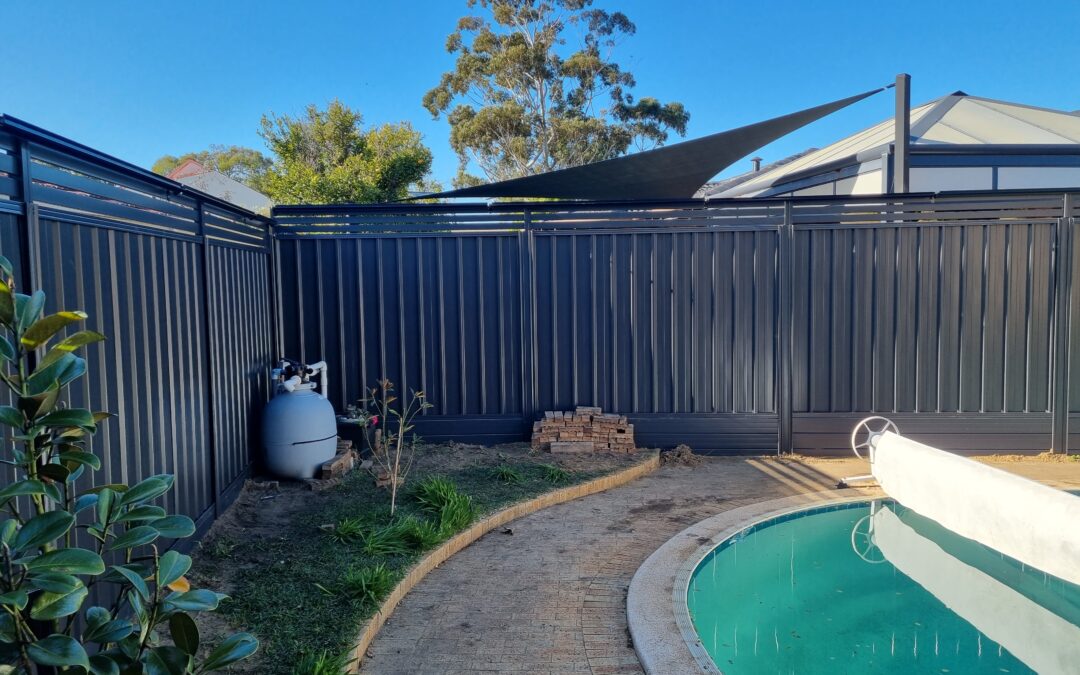
Drowning is one of the top three causes of injury-related death among children aged 14 and younger. Most of the non-fatal cases of drowning take place in pools. Almost 4 out of 10 people who die of drowning in pools are kids aged one to nine years. So, it is necessary that you take every measure to prevent any incidences of drowning in your pool. This is where the role of pool fencing comes into the picture.
Pool Fence Regulations & Requirements
Whether you are installing a new pool fence or upgrading the existing one, it is important to know about the regulations that apply to your jurisdiction.
The pool fence regulations and requirements vary from one province to another. Still, the general rules require installing barriers that restrict access to pools and spas. Such barriers should meet the following conditions to be effective in preventing accidents:
- Height: A pool must have a fence with a minimum height of 1.2 meters or 4 feet to prevent unauthorized access. Besides the height, the fence’s construction should not enable a child to climb over.
- Space Between Posts: The space or gap between the posts or in the fence’s construction itself should not allow any child to squeeze through. It is generally recommended that a gap in the fence should not be big enough to allow a round object of 10 cm diameter to pass through.
- Durable Construction: The regulations require fences to be made of durable materials. They should also have self-latching and self-closing gates. The self-closing mechanism should be designed to be opened only by adults. Pool fences cannot be made of shrubs or hedges. If you want to create an Oasis Urbaine on your property, it is recommended to work on other features such as landscaping, perimeter fence, and pergolas.
- Location: Swimming pool fences should cover the pool area’s perimeter. They should not provide direct access between the pool and the house or any other structure.
Your municipality can provide detailed information on the local regulations that govern the installation of a pool fence on your property. Ideally, your pool fencing company can guide you in the design and installation process, as they keep up with the latest regulations. Whether you are installing a new fence or replacing an existing one, you will be required to apply for a permit. It is something your fence installation company can help you with.
Applying for a Pool Fence Permit
You will be required to review the applicable swimming pool fence laws before you apply for a permit. Your local zoning by-laws regulate the requirements related to the location and associated equipment for your fence. These laws also guide you and your contractor on ways to plan the pool. Ideally, you should consider both the pool’s plan and fencing simultaneously. However, this is not always the situation.
Additional Tips to Follow
Besides following the requirements and recommendations laid down in the local by-laws, it is further recommended to follow certain tips when installing a pool fence. These include:
- Regular Maintenance: Make sure to regularly maintain your fence so that the fence stays in good condition.
- Consider the Material Options: Your choice of materials affects the fence’s longevity, durability, maintenance needs, and looks. Always choose more durable materials that require low maintenance while meeting your aesthetic requirements.
- Keep the Fence Area Clear: Always keep the pool fence area clear of items such as chairs or other objects that can be used to climb over.
- Consider Adding Additional Safety Features: You can add additional safety features such as alarms and pool cover to create an extra layer of protection.
Regardless of your pool size and specifications, it is recommended to install pool fences to prevent drowning incidents. When you understand the relevant regulations better and take the right steps, you can have greater peace of mind. It is recommended to work in conjunction with your fence installer to ensure all the laws are followed.

 Global News Blog