
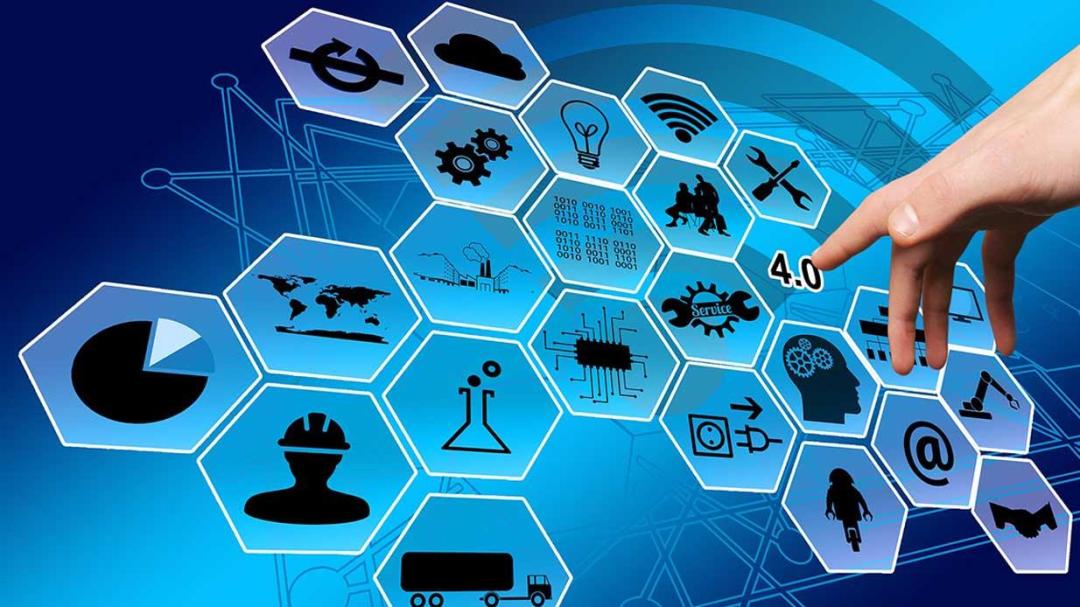
In the contemporary landscape, technology is a cornerstone that shapes and enhances every facet of our lives. Its impact extends beyond mere convenience, transforming how we work, communicate, and address global challenges. This article provides an insightful examination of how various technological advancements are influencing our daily lives.
1. The Digital Transformation of Communication
Communication has undergone a dramatic transformation in the digital age. The introduction of smartphones and social media platforms has redefined how we connect with others. Instant messaging apps, video conferencing tools, and social networks facilitate real-time communication, bridging distances and fostering global connections. These platforms not only streamline personal interactions but also enable remote collaborations in professional settings. However, the digital communication landscape also introduces challenges, such as managing information overload and ensuring digital etiquette in an increasingly interconnected world.
2. Artificial Intelligence and Its Impact
Artificial Intelligence (AI) and Machine Learning (ML) are at the forefront of technological advancement. AI refers to systems designed to mimic human intelligence, performing tasks such as language understanding, image recognition, and decision-making. Machine Learning, a subset of AI, involves algorithms that learn from data and improve their performance autonomously. These technologies are making significant strides across various fields. For example, in healthcare, AI algorithms assist in diagnosing diseases by analyzing medical images and patient data. In the financial sector, AI enhances fraud detection and optimizes investment strategies, demonstrating its transformative potential.
3. The Internet of Things (IoT) and Smart Technology
The Internet of Things (IoT) encompasses a network of interconnected devices that communicate over the internet. This technology has given rise to smart environments, particularly within the home. Devices such as smart thermostats, lighting systems, and security cameras can be controlled remotely, offering unparalleled convenience and efficiency. Smart thermostats, for instance, learn user preferences and adjust heating and cooling settings accordingly, leading to energy savings. The integration of IoT into daily life not only enhances comfort but also contributes to environmental sustainability by optimizing energy use.
4. Blockchain Technology and Its Applications
Blockchain technology, initially developed for cryptocurrencies like Bitcoin, has far-reaching applications beyond digital currency. At its core, blockchain is a decentralized ledger that records transactions across multiple computers, ensuring transparency and security. This technology is gaining traction in various sectors, including supply chain management, where it enhances traceability and reduces the risk of fraud. In healthcare, blockchain offers a secure way to manage patient records and verify the authenticity of medical data. Its ability to provide a tamper-proof record of transactions makes it a valuable tool for maintaining data integrity.
5. Virtual Reality (VR) and Augmented Reality (AR)
Virtual Reality (VR) and Augmented Reality (AR) offer immersive experiences that transform how we interact with digital content. VR creates a fully simulated environment, allowing users to engage in activities ranging from gaming to virtual tourism. AR, on the other hand, overlays digital information onto the real world, enhancing real-world interactions with additional context. Applications of AR include interactive educational tools and navigation aids. Both VR and AR are reshaping various industries, from entertainment and education to retail, by providing innovative ways to engage with content and experiences.
6. Innovations in Biotechnology and Health
Biotechnology is a field that combines biological systems with technological advancements to tackle medical challenges. One notable innovation is CRISPR gene editing, which allows precise modification of DNA. This technology holds promise for treating genetic disorders and advancing personalized medicine. Additionally, wearable health devices that monitor vital signs and track physical activity are becoming increasingly common. These devices provide valuable data for health management, enabling individuals to monitor their health in real-time and make informed decisions about their well-being.
7. Sustainable Technology and Environmental Solutions
As environmental concerns become more pressing, technology plays a critical role in developing sustainable solutions. Renewable energy technologies, such as solar panels and wind turbines, are advancing our ability to harness natural resources efficiently. Innovations in energy storage and smart grids are optimizing energy distribution and reducing waste. Additionally, technology is being employed to improve recycling processes and develop sustainable materials, contributing to a reduction in environmental impact. These advancements are crucial in addressing climate change and promoting a sustainable future.
8. The Changing Landscape of Work and Skills
The integration of technology into various industries is reshaping the job market. Automation and AI are altering job roles, with some positions becoming obsolete while new opportunities emerge. This shift highlights the need for ongoing education and skills development. Workers must adapt to technological changes by acquiring new competencies and embracing continuous learning. Educational institutions and training programs are evolving to address these needs, focusing on digital skills and preparing individuals for the evolving demands of the workforce.
9. Navigating Ethical and Privacy Issues
As technology advances, ethical considerations and privacy concerns become increasingly significant. Issues such as data protection, consent, and the ethical use of AI require careful attention. With the proliferation of personal data, safeguarding privacy and ensuring ethical practices in technology deployment are critical. Regulatory frameworks are being developed to address these concerns, but individuals must also be proactive in managing their digital footprint and understanding their rights in the digital age.
In essence, technology continues to transform our world in profound ways. From enhancing communication and revolutionizing industries to addressing environmental challenges and reshaping the workforce, its influence is far-reaching. By staying informed and engaged with technological advancements, we can harness their potential to improve our lives and address global challenges.

 Global News Blog